

The Future of Music Creation: Why Every Independent Artist Should Join Muzyfy Today

Independent artists today face one of the most complex landscapes the industry has ever produced. On the surface, technology has opened doors: affordable production tools, direct access to fans, and the promise of going viral on social media platforms. Yet beneath this apparent opportunity lies a stark reality: making a sustainable living from music remains elusive for most.

Streaming royalties barely cover basic expenses. Social media demands endless content that has little to do with actual music-making. The administrative burden, contracts, outreach, payment chasing, etc, often consume more hours than time spent in the studio.
The central question for independent music artists is simple: How do you turn your craft into both impact and income without losing yourself in the noise?
New platforms are emerging with different answers. One of them is Muzyfy, which reframes the work of freelance artists by focusing on purpose-driven music creation for real people. Instead of chasing streams or algorithms, Muzyfy connects artists with individuals who want their personal stories transformed into songs.
This blog provides a closer examination of why models like this are becoming increasingly relevant and why they may represent a more sustainable path forward for independent musicians.
The Structural Problem with Streaming
Streaming services are often celebrated as democratizing forces in the music industry. They’ve removed the gatekeepers of radio and record labels, allowing anyone to publish their work.
However, the revenue model tells a different story.
Per-stream payouts remain fractions of a cent. Even moderately successful artists with tens of thousands of monthly listeners struggle to cover rent.
Volume over substance. The system incentivizes short, trend-driven tracks designed to maximize plays, rather than prioritizing artistic integrity.
Algorithmic dependence. Visibility is tied to recommendation engines, leaving artists vulnerable to shifts in platform priorities they cannot control.
In short, streaming provides exposure but not sustainability. It can help grow an audience, but it rarely provides a stable foundation for a career.
The Hidden Cost of Independence
Independence is often marketed as freedom: the ability to control your own music, release schedules, and image. But with independence comes responsibility for every aspect of the business.
Independent singers find themselves acting as managers, marketers, administrators, and accountants in addition to creators. Cold-pitching for sync deals, negotiating contracts, and managing payments often take more energy than making music itself. For many, this administrative load leads to burnout.
The irony is apparent: the very independence artists value ends up pulling them away from their core craft.
Why Alternative Platforms Are Emerging
The shortcomings of the traditional system have created space for new models. Crowdfunding, patronage, and custom song marketplaces are all attempts to address the same issue: how to connect creators with individuals who value their work fairly.
What distinguishes Muzyfy in particular is its focus on storytelling and personalization. Instead of asking artists to compete for attention in an oversaturated market, it matches them directly with people who want to commission music for personal milestones, relationships, or memories.
This bypasses the need for mass distribution entirely. Instead of aiming for millions of anonymous streams, artists create meaningful songs for smaller audiences, but with greater financial and creative rewards.
Five Reasons Artists Should Pay Attention to Muzyfy
1. More Time for Music, Less Time for Admin
One of the biggest challenges for independent artists is striking a balance between creative and administrative work. Muzyfy is designed to reduce the latter. The platform handles client discovery, contracts, and payments, enabling artists to focus on their music.
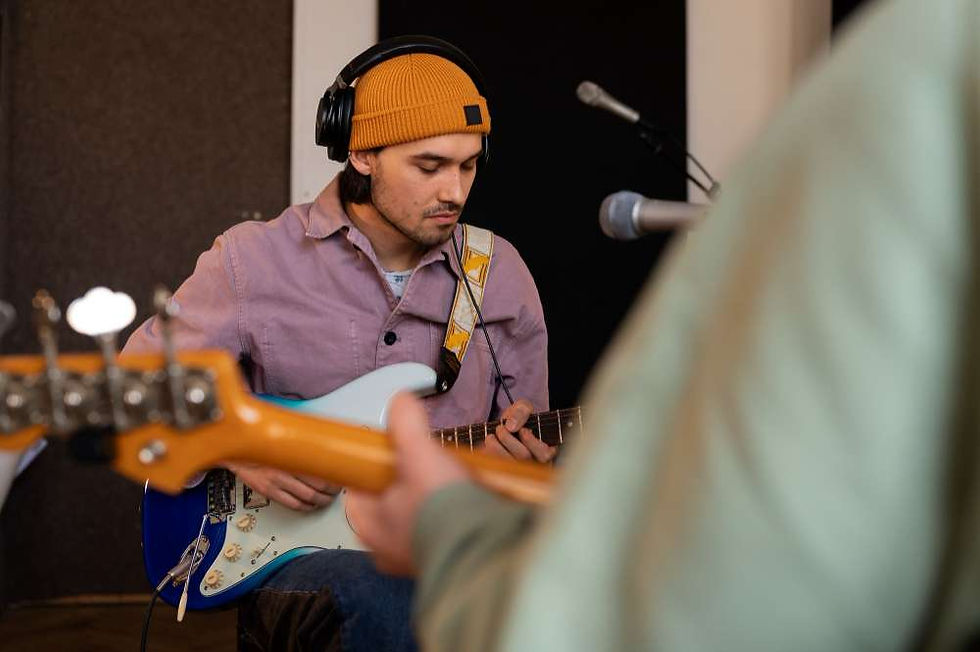
This is not just about convenience; it’s about preserving creative energy. When the system removes busywork, the quality of the output often improves.
2. Clear and Fair Compensation
Unlike streaming royalties, Muzyfy offers upfront clarity. Artists know what they will be paid for a project before they begin. Payments are processed securely and delivered reliably once the work is complete.
This transparency is critical. It allows artists to plan financially, avoid chasing unpaid invoices, and build confidence in their career trajectory. It also restores a sense of respect for the value of music as a form of labor.
3. Building an Audience Through Relationships
Traditional methods of building an audience rely on mass reach: getting on playlists, going viral, or landing a sync placement. Muzyfy flips this by creating depth instead of breadth.
When an artist writes a song for someone’s personal story, that individual is not just a listener; they become an invested supporter. Over time, this builds a fan base rooted in real connections rather than fleeting trends.
For independent singers in India, this type of audience is often more loyal and long-term than one gained through algorithms.
4. Retaining Artistic Integrity
A significant risk in the commercial music industry is the erosion of artistic integrity. Chasing streams often means diluting style or adopting formulas. Muzyfy offers a different approach: the platform ensures that while clients receive full usage rights for their commissioned songs, artists retain credit and recognition.
This means independent musicians can showcase their work publicly and continue to build their portfolio. Artistic ownership stays intact, reinforcing both identity and credibility.
5. Creating Music with Purpose
At its core, Muzyfy is about purpose-driven creation. Artists transform stories into music that serves as a lasting gift. The impact is personal and direct.
This type of work not only pays but often provides deeper artistic satisfaction. Instead of creating for faceless audiences, musicians engage in meaningful collaboration where their craft directly shapes someone’s memory or milestone.
The Bigger Picture: Redefining Music Careers
The rise of platforms like Muzyfy reflects a larger shift in the industry. For decades, success has been defined by mass recognition: chart positions, viral hits, or millions of streams. But these benchmarks no longer align with the lived experience of most artists.
What independent musicians increasingly need are systems that value their time, fairly compensate their work, and connect them with audiences who care. This is not just about making money; it is about redefining what a sustainable music career looks like in the 21st century.
By focusing on personal connections, fair compensation, and reduced administrative burden, Muzyfy represents one step toward that redefinition.
Conclusion
The independent artist of today faces challenges that technology alone cannot solve. While streaming and social media have lowered barriers to entry, they have not ensured sustainability. Most independent musicians still struggle with financial instability, creative compromise, and administrative overload.
Platforms like Muzyfy offer an alternative: a way to earn fairly, preserve artistic integrity, and create work that has tangible meaning. They do not replace traditional paths but expand them, offering a model where impact and income align.
For independent artists, the choice is no longer between art and livelihood. With the right tools, both are possible. And the platforms that succeed will be those that respect not only the music but the musician behind it.
FAQs
Will this limit my exposure?
No. Platforms like Muzyfy are not replacements for streaming or touring; they are supplements. They provide an additional revenue stream and creative outlet, not a restriction.
Does this compromise my artistic vision?
Not necessarily. While projects are based on client stories, artists are chosen because of their unique style. The system is designed to match clients with musicians whose sound already fits the desired tone.
What about long-term growth?
Each completed project not only provides immediate income but also strengthens an artist’s portfolio and fan base. Over time, this can complement traditional growth strategies.
Comments